
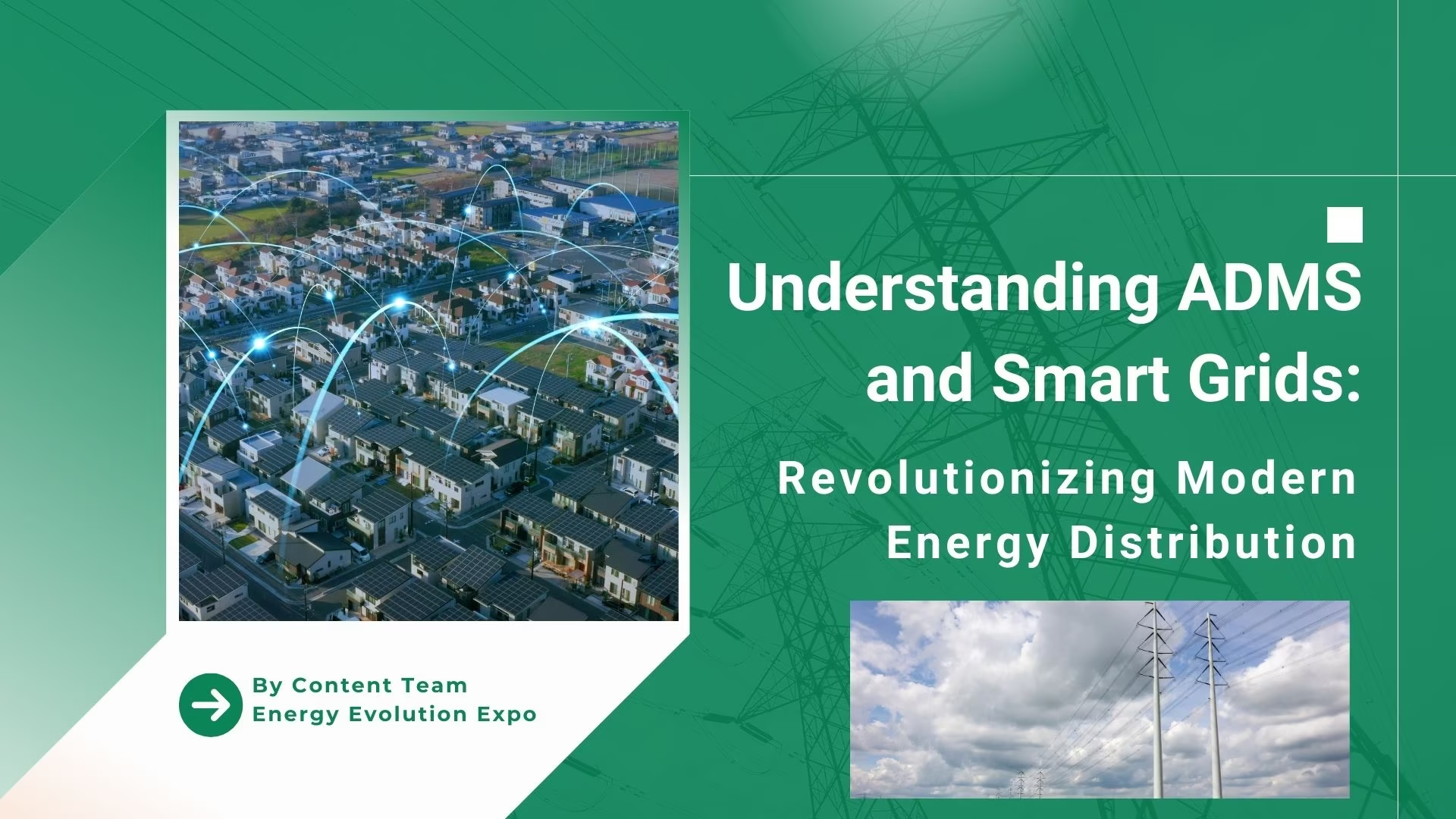
As the energy landscape evolves, electric utilities face increasing demands for efficiency, reliability, and sustainability. Advanced Distribution Management Systems (ADMS) and smart grids are at the forefront of this transformation, enabling utilities to meet these challenges head-on. This blog delves into the intricacies of ADMS, explores the benefits of smart grids, and highlights real-world examples of their implementation.
What is ADMS
Advanced Distribution Management Systems (ADMS) are sophisticated software platforms designed to optimize the operation of electrical distribution networks. ADMS integrates various systems and functionalities to provide a comprehensive solution for managing electric grids. Key components of ADMS include:
1. Outage Management System (OMS): Quickly identifies and restores power outages, minimizing downtime and improving customer satisfaction.
2. Distribution Management System (DMS): Offers tools for real-time monitoring and control of the distribution network, enhancing operational efficiency.
3. Energy Management System (EMS): Manages the flow of electricity to ensure grid stability and efficiency.
4. Advanced Metering Infrastructure (AMI): Collects and analyzes data from smart meters, providing valuable insights into energy consumption patterns.
Benefits of ADMS and Smart Grids
1. Enhanced Reliability and Resilience:
ADMS provides real-time monitoring and automated control, enabling rapid identification and resolution of issues. This reduces the duration and impact of power outages, improving overall grid reliability. Smart grids are equipped with self-healing capabilities, allowing them to automatically detect and isolate faults, reroute power, and restore service without human intervention.
2. Improved Operational Efficiency:
ADMS optimizes the dispatch and control of distributed energy resources (DERs) such as solar panels, wind turbines, and battery storage systems. This maximizes the utilization of renewable energy sources and reduces reliance on fossil fuels. Advanced analytics and predictive maintenance tools help utilities anticipate equipment failures and schedule maintenance proactively, reducing operational costs and downtime.
3. Enhanced Grid Visibility and Control:
ADMS provides a holistic view of the grid, integrating data from various sources such as sensors, smart meters, and SCADA (Supervisory Control and Data Acquisition) systems. This enables utilities to make informed decisions based on real-time data. Using this, operators can remotely monitor and control grid assets, optimizing load balancing and voltage regulation to ensure a stable and efficient power supply.
4. Customer Empowerment:
Smart grids enable two-way communication between utilities and consumers. Advanced metering infrastructure (AMI) allows customers to monitor their energy usage in real-time, leading to greater awareness and better energy management. They can offer dynamic pricing schemes, encouraging consumers to shift their energy consumption to off-peak hours, reducing strain on the grid and lowering energy costs.
There are few examples realted to it:
1. Pacific Gas and Electric Company (PG&E):
PG&E implemented an ADMS to enhance grid reliability and resilience in the face of increasing wildfire risks. The system provides real-time situational awareness, enabling operators to make data-driven decisions and quickly respond to outages. Additionally, the integration of distributed energy resources (DERs) like solar panels and battery storage has improved grid stability and reduced greenhouse gas emissions.
2. Enel Distribuzione:
Italy’s largest electricity distribution company, Enel, adopted an ADMS to modernize its aging grid infrastructure. The system’s advanced analytics and automation capabilities have significantly improved operational efficiency, reducing energy losses and optimizing power flow. Enel’s smart grid initiative has also empowered consumers with real-time energy usage data and facilitated the integration of renewable energy sources.
3. Southern Company:
Southern Company, a leading energy provider in the southeastern United States, deployed an ADMS to enhance grid visibility and control. The system’s advanced fault detection and isolation capabilities have reduced outage durations and improved overall grid reliability. By leveraging real-time data and predictive analytics, Southern Company has optimized maintenance schedules and minimized operational costs.
The Future of ADMS and Smart Grids
The transition to smart grids and the adoption of ADMS are critical steps towards a sustainable and resilient energy future. As the integration of renewable energy sources increases and the demand for reliable power grows, utilities must continue to innovate and invest in advanced technologies. The benefits of ADMS and smart grids extend beyond operational efficiency, offering improved customer satisfaction, reduced environmental impact, and enhanced grid security.
In conclusion, ADMS and smart grids are revolutionizing the way electric utilities manage and distribute energy. By embracing these technologies, utilities can navigate the complexities of the modern energy landscape, ensuring a reliable, efficient, and sustainable power supply for generations to come.
We need to keep up with all recent innovations to reap maximum benefits and to facilitate a better understanding of the latest developments and trends in the Renewable energy Industry, various Conferences and Expos, which bring Industry leaders together, serve as an all-inclusive platform.
The Energy Evolution Awards, Conference, and Expo organized by Next Business Media is making its debut in Spain in 2025. It will be a leading forum dedicated to honoring excellence in Energy Technology, showcasing innovations, and fostering collaborations. The events unite industry leaders, and visionaries to explore the latest advancements, tackle key challenges, and shape the future of Energy.
The Energy Evolution Awards, Conference, and Expo will celebrate outstanding achievements, promote sustainable practices, and drive the Energy Industry forward into a technologically advanced sustainable era. Energy Evolution Awards, Conference, and Expo will be a platform for cultivating innovation and shaping a brighter, more efficient energy landscape.