
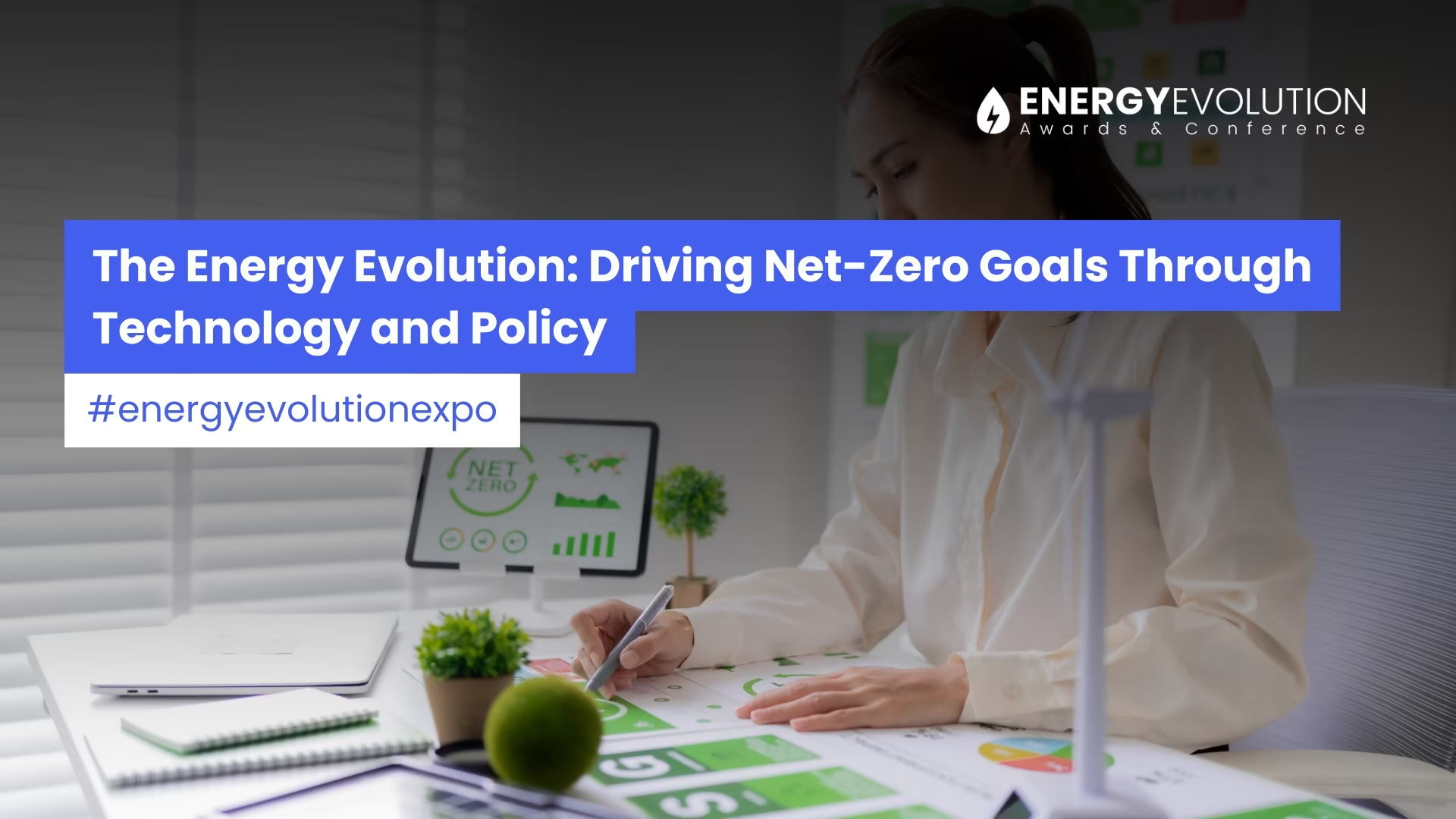
Reaching net-zero emissions by mid-century is no longer a distant vision but an urgent global priority. Achieving it demands synchronized action between innovation and governance. The energy sector, responsible for most global emissions, is now undergoing a profound transformation driven by advanced technologies and progressive policy frameworks. In 2026, this transformation will take center stage at the Energy Evolution Awards & Conference in Dubai, where world leaders, innovators, and policymakers will unite to redefine the future of clean energy.
Technology as the Catalyst
Technological innovation forms the backbone of the clean energy revolution. Breakthroughs in renewable generation, energy storage, and grid intelligence are reshaping how energy is produced, distributed, and consumed.
Hybrid solar-wind power systems equipped with smart storage solutions now ensure consistent energy output even amid unpredictable weather. Green hydrogen, once a distant prospect, is emerging as a viable pathway to decarbonize heavy industries and long-haul transport. Meanwhile, AI-driven energy management platforms are optimizing grid operations, predicting maintenance needs, and cutting both costs and emissions.
Through such breakthroughs, technology has evolved beyond an enabler — it now drives the global march toward net-zero.
Policy as the Enabler
Still, technology alone cannot deliver the transformation. The policy frameworks that shape investment, regulation, and collaboration are equally critical. At the Energy Evolution Awards & Conference 2026, this intersection of innovation and governance takes center stage, forging connections between industry pioneers, regulators, and investors.
Well-designed policies — including carbon pricing, green incentives, and clear sustainability mandates — provide the confidence investors need to accelerate the clean transition. Around the world, governments are aligning legislation with long-term climate goals, ensuring transparency and accountability across the value chain.
Public-private partnerships further amplify these efforts. From funding clean-tech startups to scaling renewable infrastructures, collaboration is creating ecosystems that deliver both climate impact and economic growth.
Phasing Out Coal: A Non-Negotiable Milestone
Phasing out coal, the most carbon-intensive source of power, remains a cornerstone of the global net-zero roadmap. International guidelines stipulate that no new coal power plants should be developed beyond 2021. The milestones are clear: OECD nations must end coal power by 2030, and the rest of the world by 2040.
To meet these targets, investment in renewable capacity, energy efficiency, and clean technologies must triple by 2030. These investments are crucial for achieving Sustainable Development Goal 7 (SDG7): access to affordable, reliable, sustainable, and modern energy for all.
According to the UN, reaching these benchmarks could position the world to achieve net-zero by 2050. Yet, progress remains uneven, especially in hard-to-abate sectors such as transport, industry, and heating. Without deep decarbonization across all these domains, the 1.5°C climate target could slip beyond reach.
Recognizing Leadership and Inclusion
The Energy Evolution Awards honor the organizations and visionaries leading this integration of technology and policy. Their advancements in renewable energy adoption, carbon reduction, and innovation set benchmarks for global progress.
Equally significant are initiatives like the Start Up Energy Transition Award 2026 which highlight inclusive and accessible energy solutions. By expanding clean energy to underserved regions, these efforts ensure that the transition to sustainability is both equitable and universal.
Conclusion: Powering the Future Through Unity
The energy evolution of 2026 represents not just a transition, but a powerful convergence of vision, innovation, and governance. As technology accelerates solutions and policy sets direction, their synergy forms the foundation of a sustainable global energy future. The Energy Evolution Awards & Conference in Dubai will illuminate this shared journey — one defined by collaboration, innovation, and a collective drive toward a net-zero world.