
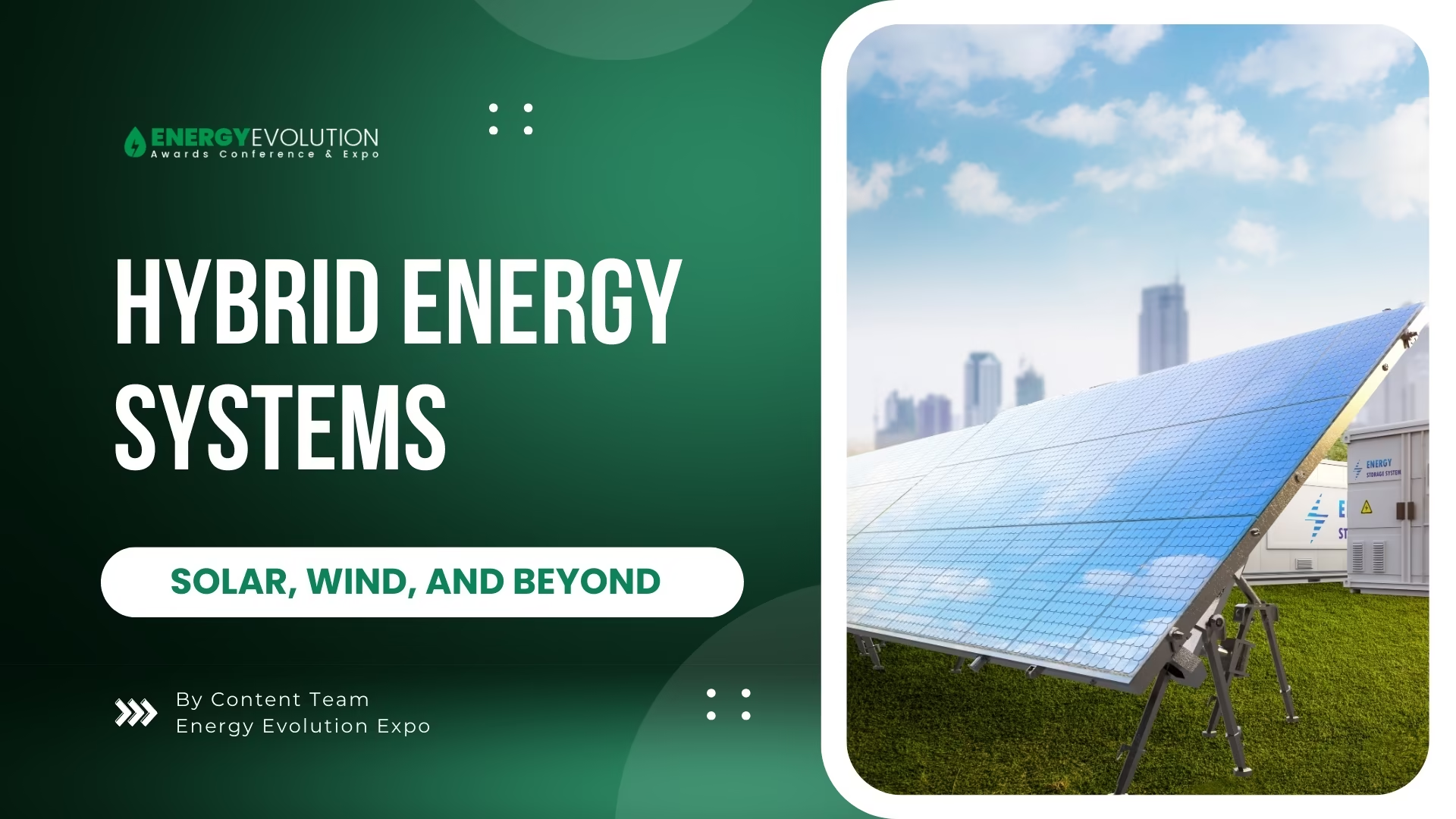
As the global push toward cleaner, greener energy gains momentum, hybrid energy systems have emerged as a promising solution to meet growing power demands. Combining different renewable energy sources like solar and wind with storage or backup systems, these hybrid setups deliver reliable, efficient, and continuous power. Let’s explore the core components of hybrid energy systems, the benefits they offer, and what the future holds for this groundbreaking technology.
What is a Hybrid Energy System?
A hybrid energy system is an integrated approach that combines two or more power generation methods, usually from renewable energy sources like solar and wind, along with conventional sources or energy storage systems. These setups take advantage of the complementary nature of renewable resources — for instance, solar energy is abundant during the day, while wind is often more potent at night. This way, hybrid systems can provide a more consistent energy output than relying on a single renewable source.
Key Components of Hybrid Energy Systems
- Solar Power Solar energy, captured through photovoltaic (PV) panels, is one of the most popular and widely used renewable energy sources. Solar energy systems convert sunlight into electricity, which can either be used immediately or stored for later use, making them a critical element of hybrid energy solutions.
- Wind Power Wind energy is harvested using wind turbines that convert kinetic energy from the wind into electricity. As wind patterns often differ from sunlight availability, wind and solar power complement each other well in hybrid setups, filling gaps when one source is less effective.
- Energy Storage Systems A significant challenge in renewable energy is its intermittency — the sun doesn’t always shine, and the wind doesn’t always blow. To solve this, hybrid energy systems integrate storage solutions, like batteries, to store excess energy generated during peak periods. This stored energy can then be used when renewable energy generation is low, ensuring an uninterrupted power supply.
- Backup Power Sources In some cases, hybrid systems may include a backup power source, such as diesel generators or a grid connection, to ensure energy availability during extreme conditions or when both renewable sources and storage are insufficient.
Benefits of Hybrid Energy Systems

- Increased Reliability By using multiple energy sources, hybrid systems ensure a more consistent and reliable energy output. When solar power decreases at night, wind power can take over. If both sources drop, stored energy can fill the gap. This integration leads to fewer power outages and more stable energy delivery.
- Cost Efficiency Hybrid systems can reduce energy costs over time by leveraging free natural resources and reducing reliance on fossil fuels. Furthermore, the energy storage component enables users to avoid peak energy prices by using stored energy during expensive demand periods.
- Enhanced Sustainability Hybrid energy systems decrease the need for fossil fuel-based power generation, reducing greenhouse gas emissions and contributing to environmental sustainability. By incorporating multiple renewable sources, they also make energy systems more adaptable to changing environmental conditions.
- Grid Independence For remote locations or regions with unreliable grid connections, hybrid systems offer a significant advantage. Communities can achieve energy independence by generating, storing, and managing their own power.
Beyond Solar and Wind: Emerging Hybrid Energy Innovations
While solar and wind are the most common components of hybrid energy systems, innovation is driving the exploration of additional energy sources to enhance these systems further.

- Geothermal Energy Hybrid systems are increasingly incorporating geothermal energy, which taps into heat stored beneath the Earth’s surface. Unlike solar and wind, geothermal energy provides a constant, year-round power supply, making it an ideal partner for these intermittent sources.
- Biomass Energy Biomass energy, derived from organic materials, is another renewable source being integrated into hybrid systems. In regions with abundant agricultural or forestry waste, biomass energy can provide a steady supply of power while reducing carbon emissions.
- Hydrogen Fuel Cells Hydrogen is emerging as a key player in hybrid energy systems. Hydrogen fuel cells can store and release energy in a clean, efficient manner, making them an ideal complement to solar and wind systems.
The Future of Hybrid Energy Systems
The future of hybrid energy systems looks promising, driven by the rapid advancement of renewable technologies, improved storage solutions, and increased demand for sustainable power. As countries worldwide commit to decarbonization and reducing reliance on fossil fuels, hybrid systems will play an essential role in achieving these goals.
Government policies and incentives are also encouraging the adoption of hybrid energy systems in industries, commercial sectors, and residential areas. In addition, as costs for renewable energy and storage technologies continue to decline, hybrid energy systems will become more affordable and accessible.
Moreover, the integration of smart grid technology and artificial intelligence (AI) is expected to optimize the performance of hybrid systems. AI can predict energy demands, weather patterns, and system performance, allowing for more efficient energy management.
Conclusion
Hybrid energy systems that combine solar, wind, and other renewable sources represent the next step in achieving a sustainable, reliable, and efficient energy future. By leveraging the strengths of various power generation methods, these systems offer numerous benefits, from reduced costs to increased sustainability. As technology continues to advance, hybrid energy systems will undoubtedly play a pivotal role in shaping the world’s energy landscape, moving us closer to a cleaner, greener future.

Hybrid Energy Systems: Solar, Wind, and Beyond – The Future of Sustainable Power