
Introduction
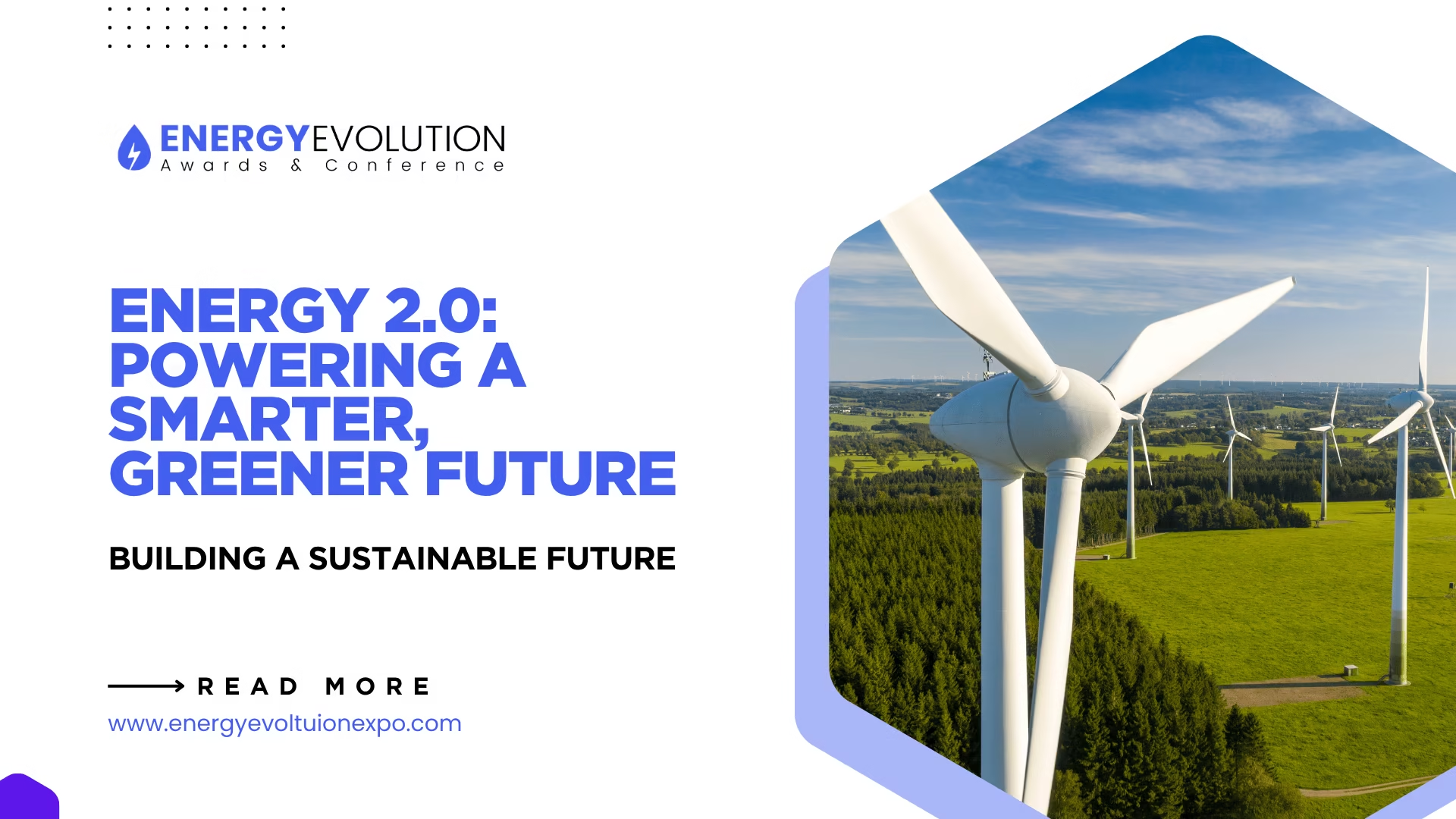
The world is undergoing a profound energy transformation—one that is cleaner, smarter, and more decentralized. Known as Energy 2.0, this shift represents the evolution from fossil fuel dependency to a new era driven by renewables, digital technology, and energy democracy.
What Is Energy 2.0?
Energy 2.0 is not just about using solar panels or wind turbines. It’s about rethinking the entire energy ecosystem—from how power is generated and stored, to how it’s distributed and consumed. With intelligent grids, real-time data, and localized production, this model empowers users and reduces carbon footprints.
Key Elements of Energy 2.0
Renewables at the Core: Solar, wind, hydro, and bioenergy replace coal and oil.
Smart Grids: AI and IoT manage energy flow efficiently.
Energy Storage: Advanced batteries stabilize intermittent renewable supply.
Decentralization: Local sources like rooftop solar reduce reliance on national grids.
Digital Platforms: Blockchain enables peer-to-peer energy trading and traceability.
Pioneering the Shift: Germany’s Renewable Energy Transformation
Germany’s Energiewende offers a real-world example of Energy 2.0 in action. Through massive investments in wind and solar, and a commitment to phase out coal and nuclear power, Germany now generates nearly 50% of its electricity from renewables. Smart meters and local energy cooperatives allow communities to produce, store, and sell energy independently—a model being studied globally.
A Vision in the Desert: Dubai’s Smart Solar Revolution
Dubai’s Mohammed bin Rashid Al Maktoum Solar Park is one of the world’s largest solar parks, aiming to produce 5,000 megawatts of clean energy by 2030. Integrated with smart grid technology, this project supports Dubai’s Clean Energy Strategy 2050 and reduces the city’s reliance on fossil fuels. The park also features pilot projects in energy storage and AI-based energy management, showcasing Dubai’s commitment to innovation and sustainability.
Why It Matters
Energy 2.0 isn’t just about technology—it’s about resilience, sustainability, and accessibility. With climate change intensifying and energy demands rising, the move to a smarter system is no longer optional. It’s the future.
Conclusion
As we look ahead, embracing Energy 2.0 means investing in innovation, empowering communities, and building a future where clean energy is a right—not a privilege. And with visionary initiatives in cities like Dubai, that future is already taking shape.
Platforms like the Energy Evolution Awards and Conference play a vital role in accelerating this transition. By recognizing breakthroughs in renewable technology, smart infrastructure, and policy, such events not only celebrate progress but also inspire global collaboration for a more sustainable tomorrow.

.