
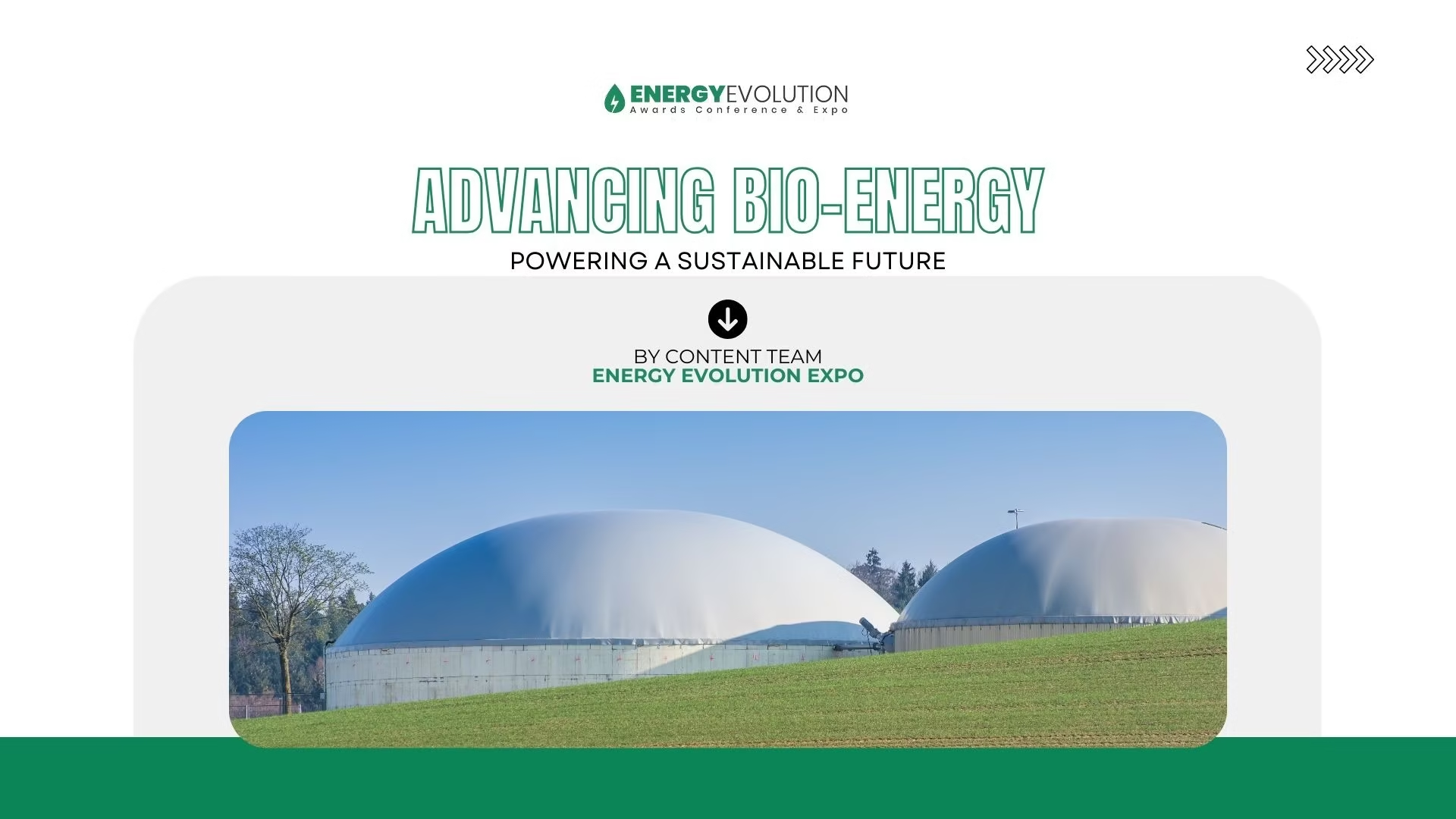
Bioenergy is one of the most promising solutions in our fight against climate change. Derived from organic materials like plants, agricultural waste, and even algae, bioenergy offers a renewable and eco-friendly alternative to fossil fuels. Its ability to integrate into existing energy systems while reducing greenhouse gas emissions makes it a cornerstone of sustainable energy strategies.
Many scenarios aimed at limiting global warming to well below 2°C, as outlined in the Paris Agreement, highlight bioenergy’s critical role (Rogelj et al., 2018). However, its potential is accompanied by challenges. Concerns about underestimated lifecycle emissions and the “carbon debt” associated with bioenergy have been raised, along with fears of reduced food production and biodiversity loss (DeCicco & Schlesinger, 2018; Searchinger et al., 2018).
By addressing these complexities, bioenergy can evolve as a sustainable solution for powering our future while balancing environmental and social impacts.
Innovative Bioenergy Technologies
1. Advanced Biofuels
Breakthrough technologies are enabling the production of advanced biofuels from non-food biomass sources, such as agricultural waste and algae. These biofuels offer a sustainable alternative to fossil fuels without competing with food resources.
2. Bioenergy with Carbon Capture and Storage (BECCS)
BECCS combines bioenergy production with carbon capture and storage, making it a unique technology that not only generates energy but also removes CO2 from the atmosphere. This dual benefit positions BECCS as a promising solution in the fight against climate change.
3. Synthetic Biology
Synthetic biology is transforming the bioenergy sector by engineering microorganisms to produce biofuels and other bio-based products. This field holds immense potential to create efficient and scalable solutions for clean energy.
4. Biogas Innovations
Advanced digesters and biogas upgrading technologies are transforming organic waste into a clean alternative to natural gas.
5. Waste-to-Energy Technologies
Processes like pyrolysis and gasification convert municipal waste into bioenergy, addressing energy needs and waste management.
Real-World Examples
1. Brazil’s Ethanol Program
Brazil’s ethanol program stands as a global benchmark, utilizing sugarcane as a feedstock to produce ethanol. This initiative significantly reduces greenhouse gas emissions and has positioned Brazil as a leader in renewable energy.
2. Sweden’s Biogas Sector
Sweden has developed an impressive biogas infrastructure, using it for transportation, heat, and power generation. This approach highlights how waste-to-energy strategies can address both energy and waste management challenges.
3. The United States Renewable Fuel Standard
The US Renewable Fuel Standard mandates the blending of biofuels into transportation fuels. This policy supports the bioenergy market while promoting energy independence and environmental sustainability.
In rural India, biogas has revolutionized energy access through localized solutions.
Case Study: Biogas Production in Rural India
Biogas technology has transformed rural Indian villages by converting organic waste into clean-burning fuel. This solution addresses energy poverty, environmental degradation, and economic development, reducing air pollution and deforestation. Community ownership and market linkages ensure sustainability.
In the Amazon Rainforest, bioenergy offers a solution to the delicate challenge of balancing economic growth with ecological preservation.
Case Study: The Amazon Rainforest and Bioenergy
Bioenergy derived from sustainable forestry and agroforestry practices in the Amazon serves as a model for integrating environmental protection with community development. By utilizing renewable biomass, local communities can generate income while conserving biodiversity. These initiatives provide energy access, reduce deforestation, and support indigenous livelihoods, demonstrating that economic development and ecological stewardship can coexist.
Benefits of Bioenergy
1. Renewable and Sustainable: Bioenergy is derived from renewable biomass sources, reducing dependence on fossil fuels.
2. Greenhouse Gas Emissions Reduction: Bioenergy can help reduce GHG emissions, contributing to climate change mitigation.
3. Energy Security: Bioenergy can enhance energy security by diversifying energy sources and reducing reliance on imported fuels.
4. Rural Development: Bioenergy production can create jobs and stimulate local economies, particularly in rural areas.
Bioenergy Challenges and Solutions
Challenges
1. Food vs. Fuel: Using food crops for bioenergy affects food security.
2. Land Use and Biodiversity: Large-scale bioenergy production harms ecosystems.
3. Water Usage: Bioenergy production requires significant water resources.
4. Cost and Efficiency: Bioenergy is often expensive and inefficient.
Solutions
1. Non-Food Biomass: Using waste, algae, and forest residues for bioenergy.
2. Sustainable Farming: Promoting eco-friendly practices and using marginal land.
3. Water-Efficient Tech: Developing drought-resistant crops and efficient technologies.
4. Innovation and Investment: Advancing technologies, increasing efficiency, and reducing costs.
Future Opportunities
Bioenergy has the potential to play a significant role in a sustainable energy future. Continued research and development in bioenergy technologies will help to improve efficiency, reduce costs, and address environmental concerns. By harnessing the power of biomass, we can create a cleaner, more sustainable energy future for all.
To unlock the full potential of bioenergy, we need to focus on several strategic opportunities:
•Increased collaboration between governments, industries, and researchers to create policies supporting bioenergy innovations.
•Investments in research and development to enhance technologies like BECCS and synthetic biology.
•Public awareness campaigns to garner support for sustainable bioenergy solutions.
Conclusion
Bioenergy advancements demonstrate how science and sustainability can work hand in hand. With ongoing innovations, bioenergy could soon play a pivotal role in creating a cleaner, greener, and more sustainable world.
Events like the Energy Evolution Expo provide a platform for showcasing cutting-edge bioenergy technologies, fostering collaborations, and driving discussions on sustainable energy solutions. These expos highlight the importance of innovation and collaboration in shaping a cleaner energy future.